Sales: (833) 821-1398
Service: (450) 436-8211
Parts: (450) 436-8211

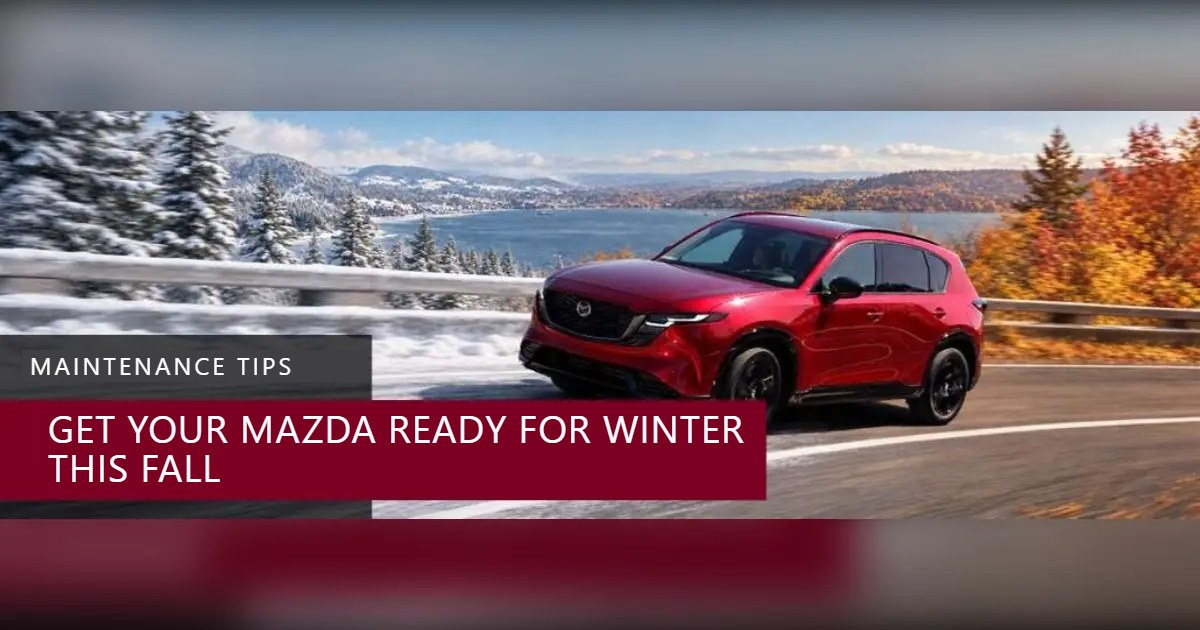
Mandatory winter tires in Quebec must be on your vehicle from December 1 to March 15. Still, waiting for the deadline often means driving on summer tires during the first snowfall, or lining up at the shop with everyone else. Here is what the law says, when to install your tires and how to tell if they are good for another winter in the Laurentians.
The rule is simple: from December 1 to March 15, every passenger vehicle registered in Quebec must run on tires designed for winter. This also applies to leased vehicles and taxis. However, the rule does not cover vehicles registered outside Quebec or trailers.
Under the law, a winter tire carries the three-peak mountain and snowflake symbol, or is fitted with studs. In other words, an “all-season” tire marked only M+S is not enough. Drivers who do not comply face a fine of $200 to $300.
All the details are on the official government page: Requirements for winter tires (Québec.ca).
The law sets a deadline, not an ideal date. Around Saint-Jérôme, Prévost, Saint-Hippolyte or Sainte-Adèle, the first snow and freezing rain often arrive well before December. Also, the higher you go in the Laurentians, the earlier winter shows up.
The most common rule of thumb: once temperatures regularly drop below 7°C, the rubber of a summer or all-season tire hardens and loses grip. A winter tire, on the other hand, uses a compound that stays soft in the cold. So in practice, late October and November are the right time to book.
The law allows studded tires from October 15 to May 1 for passenger vehicles. They help on bare ice, but they are noisier on dry pavement. For most drivers commuting between Saint-Jérôme and Greater Montréal, a good studless winter tire does the job very well.
Having winter tires is one thing. Having winter tires that still work is another. Before putting them back on, check the following:
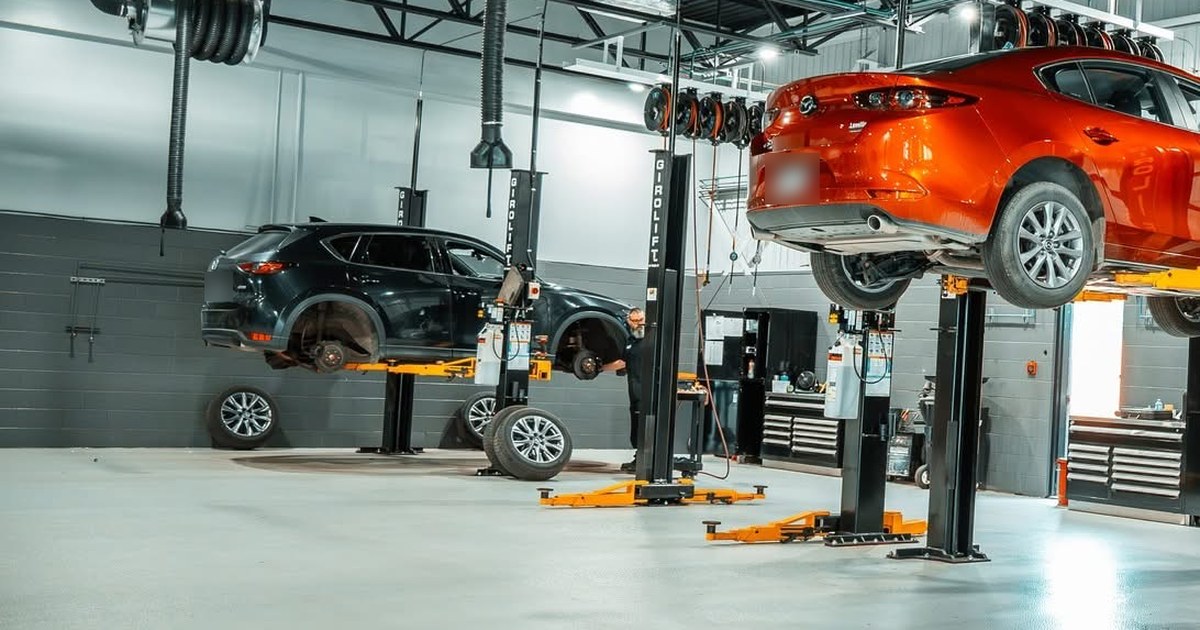
If in doubt, our technicians measure your tire wear when they install them and tell you straight if they will last the winter.
You often hear it: “I have all-wheel drive, I don’t need winter tires.” That’s wrong, and not only because the law requires them. Sure, all-wheel drive helps you get going and move forward in snow, but tires are what let you brake and turn. An all-wheel-drive SUV on summer tires stops worse on ice than a front-wheel-drive car on good winter tires.
In short, the two technologies work together. With good winter tires, the i-ACTIV AWD system on Mazda SUVs performs at its best on the snowy roads of Morin-Heights, Saint-Sauveur or Mille-Isles.
Mounting your winter tires on a second set of rims makes every seasonal changeover faster. It also avoids removing the tires from the rim twice a year, which reduces the risk of damaging the tire bead.
Tire pressure drops as temperatures fall. Check it once a month in winter, when the tires are cold, using the value on the door-jamb label. So if the tire pressure warning light comes on after a cold snap, this is often why.
Clean your tires, store them away from sun, heat and humidity, and note their position on the vehicle. In the end, well-stored tires last longer.
For the rest of your winter prep (battery, wipers, fluids, emergency kit), see our full guide: getting your Mazda ready for winter (in French).
Our service centre welcomes drivers from Saint-Jérôme, Saint-Colomban, Sainte-Sophie, Saint-Lin-Laurentides and across the region. We handle installation, balancing, pressure checks and wear inspection. Also, if your tires are worn out, we suggest tires suited to your Mazda and your driving.
The simplest advice: don’t wait for the last week of November. Indeed, appointment slots fill up fast after the first snowfall. See our tire services and book now.
Winter tires are mandatory from December 1 to March 15 for passenger vehicles registered in Quebec.
Only if they carry the three-peak mountain and snowflake symbol. In fact, the law does not consider a tire marked only M+S to be a winter tire.
It’s not recommended. Indeed, on warm pavement, the soft rubber wears much faster and braking is worse. Wait a few weeks after March 15, then put your summer or all-season tires back on.
Ready for winter? Book a service appointment at Mazda Saint-Jérôme and drive with peace of mind all winter.